The real AI anxiety isn't about jobs
Gartner surveyed 350 executives. It found zero link between cutting jobs for AI and getting anything back for it.
I was on OAHI's Evolving Workforce podcast with Dave Kenyon this week, and he put something to me that's stuck since. There's a real anxiety emerging in teams around AI, and it's not just about jobs. It's about personal value. That's the conversation I want to start with here, because the Gartner data landed the same week and it explains a lot about why that anxiety exists.
Look, this is the number that stopped me: 80% of large enterprises have already cut headcount tied to AI. Gartner found no correlation between the size of that cut and the return the business got. Companies reporting strong AI returns cut staff at roughly the same rate as companies reporting flat or negative returns.
That's the headline. Here's why I think it matters for anyone signing off on workforce decisions this year.
The evidence gap
Gartner surveyed 350 executives at companies with at least $1 billion in annual revenue. 80% had made workforce reductions tied to AI or automation, typically cutting between 1% and 15% of headcount. The ROI wasn't there to justify it in any consistent way, and that's the piece that concerns me most.
McKinsey's research backs it up. 88% of organisations use AI regularly in at least one business function. Only 39% can attribute any actual earnings impact to it.
My read is that most organisations are treating AI adoption and AI value as the same thing. They're not the same thing. The data's pretty clear on that.
The anxiety underneath the numbers
Here's where I think the headcount conversation misses something important. When people hear "AI is doing more of the work now," the fear isn't only "will I still have a job." It's "what's my judgment worth if AI can do the thinking."
For me it starts with purpose. If you know your purpose in a role, AI helps you get there faster. But when organisations cut headcount without being clear about what they're actually asking AI to own versus what they still need a person to own, they're sending a signal, whether they mean to or not, that critical thinking and judgment are up for grabs too. That's a harder conversation than redundancy, and most leadership teams aren't equipped to have it yet.
The cost side nobody's pricing in
In my experience working with organisations across Asia, the real cost of AI rarely makes it into the "AI replaces X headcount" spreadsheet. Infrastructure spend scales nearly 4x as adoption grows across a business. AI talent costs 3 to 4 times the average, and the skills age out in as little as two years.
Then there's the governance piece, and this is the one I keep coming back to. AI can give you good guidance. It can't own the outcome. If a workforce or compliance decision turns out wrong, the liability sits with the organisation, not the tool.
The filter worth applying before your next headcount call
Once you've properly priced in talent, infrastructure, and governance, ask yourself: is AI actually cheaper than the person it's replacing? For roughly three out of four roles right now, based on MIT's research, the answer is no.
If your organisation is making workforce decisions on the assumption that AI equals headcount reduction, it's worth testing that assumption against your own numbers rather than the industry story. And it's worth asking your people directly what they're actually anxious about, because it may not be the thing you assume.
I went deeper on all of this with Dave Kenyon on this week's episode of Evolving Workforce. Worth 20 minutes if you're the one signing off on workforce decisions this quarter.
What's your organisation actually seeing? Has AI adoption reduced headcount without a clear productivity payoff, or has it genuinely paid for itself? And is the anxiety on your team about jobs, or about something closer to purpose and value?
#EvolvingWorkforce
About Tim Malhi
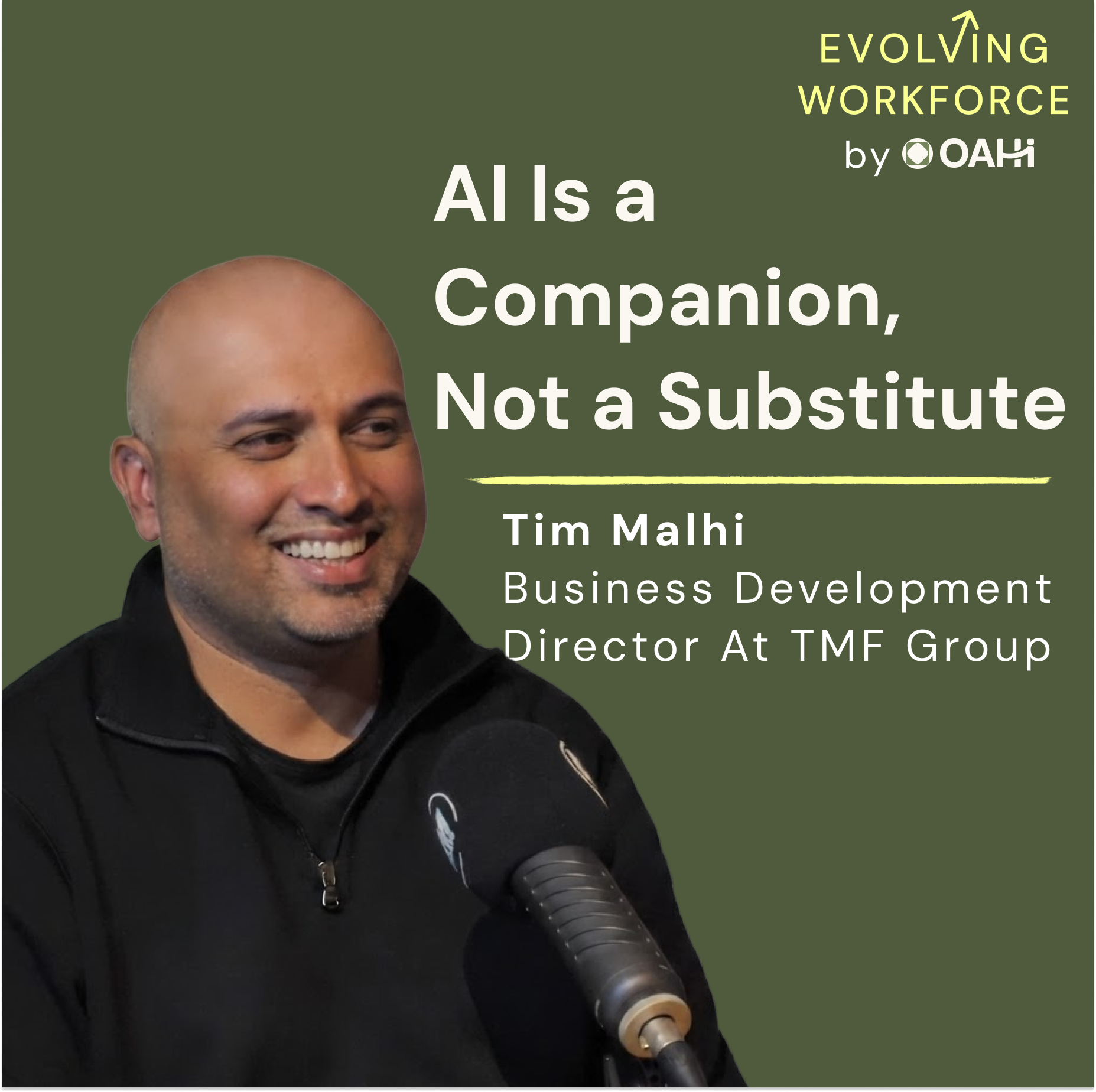
Timothy Malhi is a Business Development Director at TMF Group , working with organisations expanding into Asia across compliance, payroll and workforce management. He previously spent years at ADP focused on HR and payroll strategy for global organisations. Tim's view on AI is simple: it's a companion, not a substitute, and the responsibility for getting it right never leaves the organisation.
This edition of Workforce Wire was brought to you by OAHI workforce management software built for award interpretation and payroll compliance. If you're the one signing off on workforce decisions this quarter, see how OAHI keeps the governance in your hands.